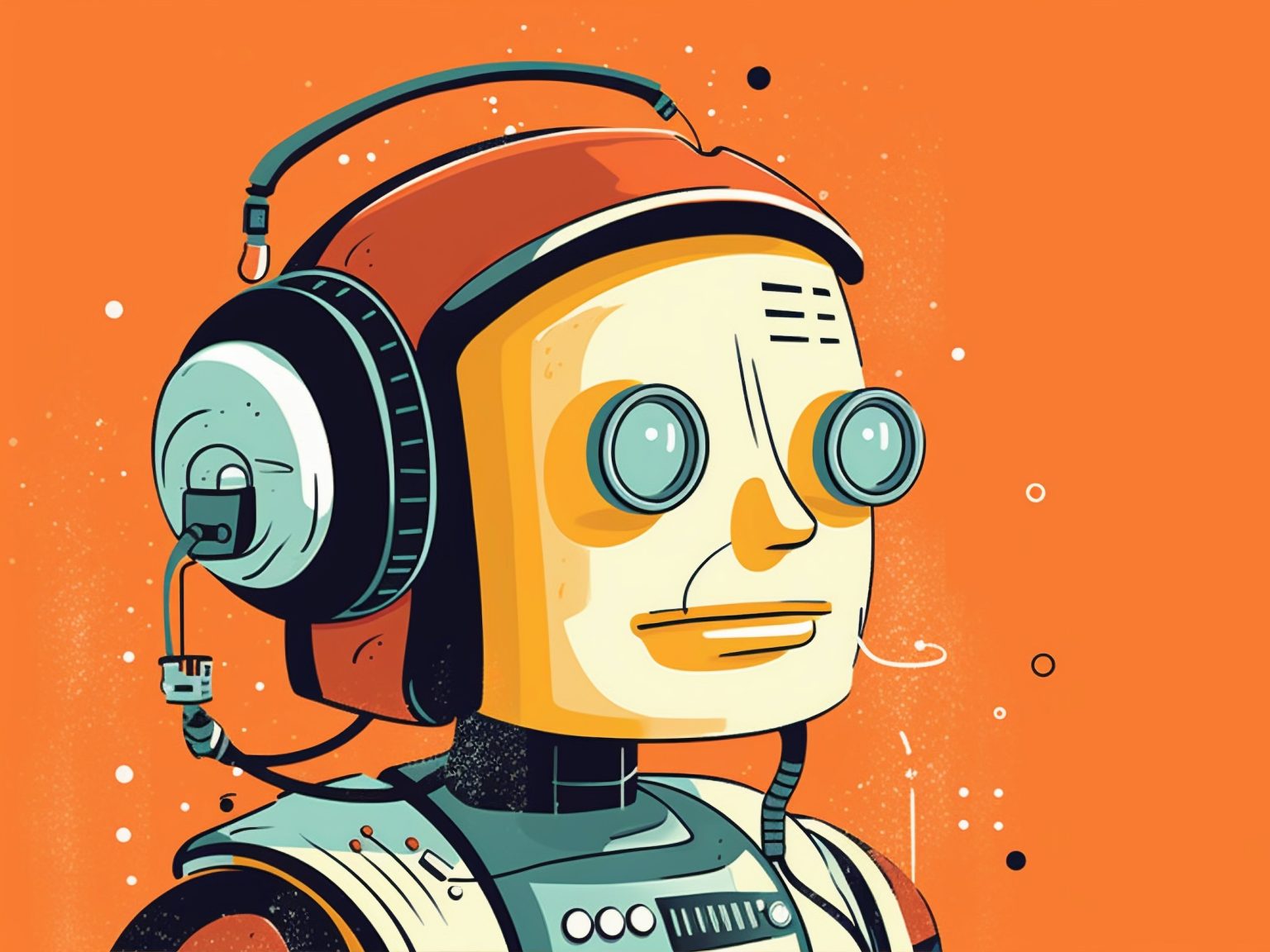
Endava is reimagining the traditional full-stack development model by introducing specialised AI agents designed to automate every stage of the software delivery lifecycle.
At the heart of this initiative is a unified platform that combines ChatGPT Enterprise with OpenAI’s Codex models. Rather than simply providing these tools to developers as standalone assistants, Endava is building an interconnected ecosystem of dedicated AI agents, each responsible for a specific phase of the development process.
Dividing Work Across Specialised AI Agents
Imagine a workflow where one AI agent is solely responsible for transforming raw business requirements into structured user stories and detailed functional specifications. Another agent may take ownership of generating boilerplate code, running unit tests, and creating documentation directly from those specifications. At the same time, a separate specialist agent functions as an automated reviewer, inspecting pull requests for security vulnerabilities, coding mistakes, or formatting inconsistencies before a human engineer is even asked to review the code.
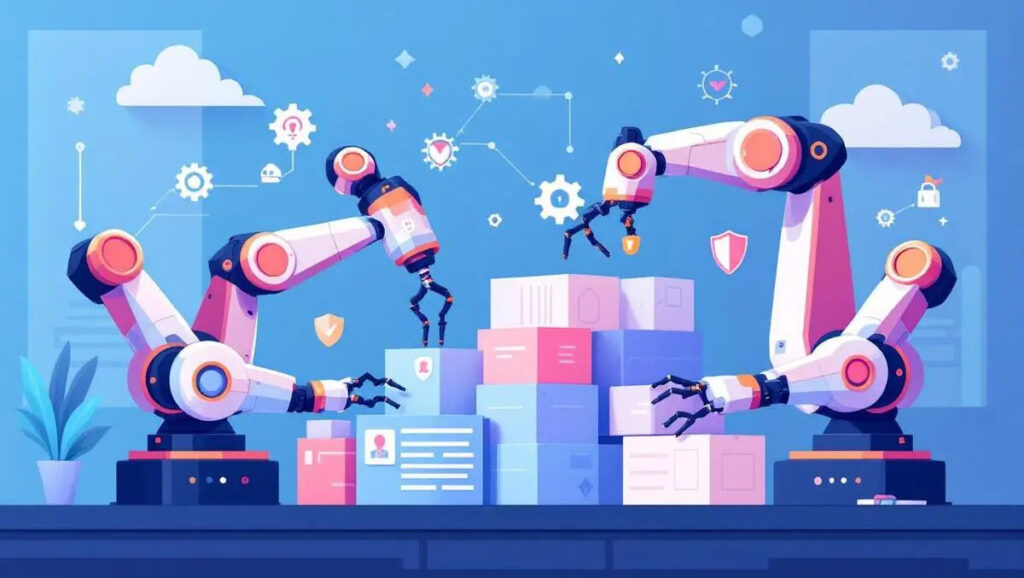
Endava’s broader objective is to build an extensive and modular catalog of these agents, enabling teams to assemble customised workflows tailored to the unique demands of each project.
For a typical web application, teams may connect agents responsible for frontend development, API validation, and accessibility testing. Meanwhile, data-focused teams could configure an entirely different chain of agents dedicated to building data pipelines, validating schemas, and optimising performance.
By breaking software delivery into flexible, reusable components, Endava ensures the system remains highly adaptable and responsive to changing project requirements. This modular architecture represents a significant departure from the rigid and generic coding assistants that defined earlier generations of AI development tools.
The first wave of enterprise generative AI largely focused on simple use cases such as code completion and basic function generation. Endava’s strategy expands automation across the entire software delivery pipeline. A developer may initiate a task, but an AI agent takes responsibility for orchestrating the sequence of actions needed to complete it, engaging additional specialised agents whenever required.
This fundamentally changes the role of software engineers. Their focus shifts away from writing routine code and toward defining objectives, selecting the most appropriate AI-driven workflows, and validating outcomes. Tasks such as coding, testing, and documentation are increasingly handled by the AI platform itself. To remain effective in this environment, developers must adopt a new mindset centered on systems thinking, workflow design, and effective orchestration of autonomous AI processes.
Building an AI-Native Delivery Culture
Launching a platform of this scale requires more than technical implementation. It also demands a significant shift in organisational culture and working practices. Endava is actively fostering an AI-native mindset throughout the company.
This transformation involves comprehensive training initiatives that teach employees how to approach software engineering within an agent-assisted environment. The goal extends beyond learning how to use AI tools; teams are encouraged to rethink workflows, identify opportunities for automation, and continuously contribute new specialised agents to the organisation’s growing library.
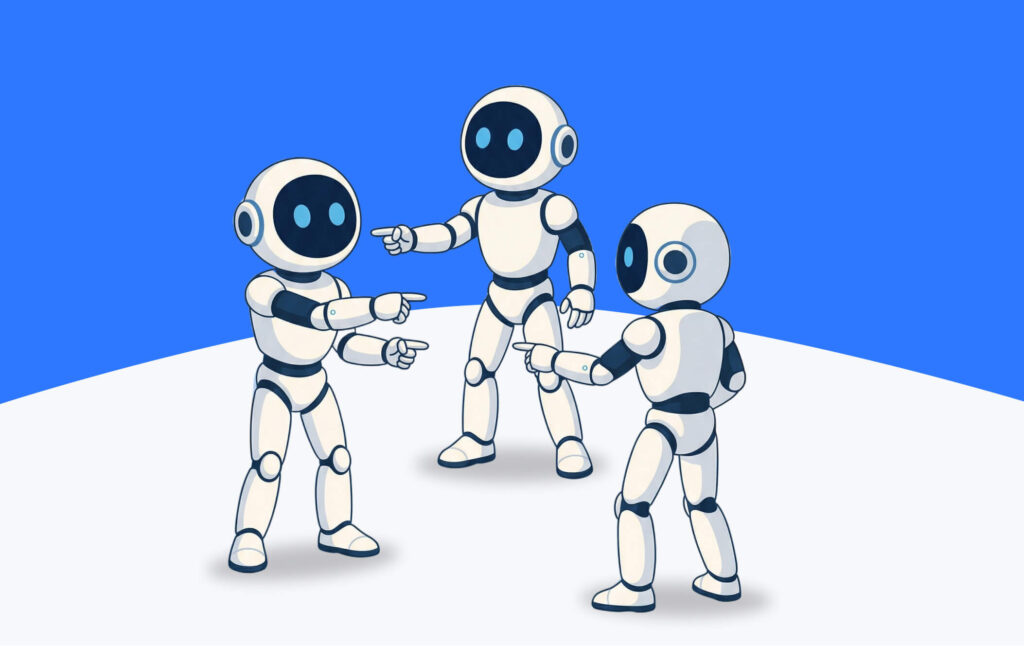
As AI agents increasingly generate and review production-bound code, robust governance around security, intellectual property, and system stability becomes essential. Every piece of AI-generated code undergoes extensive automated analysis, while critical core systems still require final approval from human engineers before deployment.
At the same time, strict data governance policies ensure that proprietary business information remains protected and is never unintentionally used to train underlying public AI models. Establishing these safeguards is critical for maintaining trust among both internal teams and external clients.
The emphasis on complete workflow automation rather than simple code generation reflects a broader evolution in how enterprises are adopting AI technologies. Instead of serving merely as a productivity tool for developers, AI is becoming an integral part of the operational framework that drives software delivery.
This approach highlights a larger industry shift: the true value of AI in software engineering is no longer measured solely by how quickly it can generate code. Its greatest potential lies in fundamentally transforming the processes, workflows, and systems that bring software products from concept to reality.