
Which Programming Languages Will Be Most Valuable in 2026?
For technology leaders, engineering managers, and remote team coordinators, understanding the evolving landscape of programming languages is more important than ever. Modern tech leadership requires more than project management skills—it demands a solid understanding of the tools developers use every day.
Which languages continue to dominate the industry? Which technologies are gaining momentum? And which ones should your team invest time learning?
Answering these questions can help organizations make smarter hiring decisions, select the right technology stack, and position their teams for long-term success.
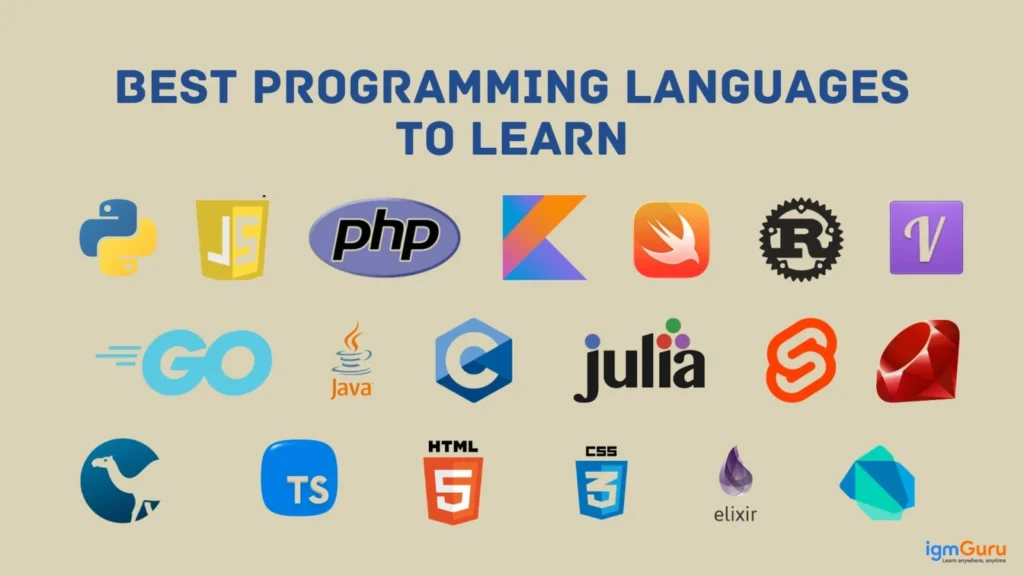
From Python and JavaScript to Rust and Go, this guide explores the ten programming languages expected to remain among the most sought-after technologies in 2026, highlighting their strengths and ideal applications.
1. Python
Python continues to hold its position as one of the most versatile and widely used programming languages in the world.
Its popularity spans multiple domains, including data science, artificial intelligence, machine learning, automation, and web development. Python’s simple and readable syntax makes it highly accessible for beginners, while its extensive ecosystem of libraries and frameworks provides advanced capabilities for experienced developers.
Organizations working with AI initiatives, analytics platforms, or large-scale data processing projects often rely on Python as a core technology.
Best For
- Artificial intelligence and machine learning
- Data analysis and data science
- Automation and scripting
- Web development
- Scientific computing
2. JavaScript
JavaScript remains the foundation of modern web development and continues to be one of the most essential programming languages in the industry.
From interactive user interfaces to complex client-side functionality, JavaScript powers much of the modern internet. Its ecosystem continues to evolve rapidly, supported by frameworks and libraries that enable developers to create highly dynamic web applications.
Any organization focused on building engaging online experiences will almost certainly depend on JavaScript.
Best For
- Frontend web development
- Interactive user interfaces
- Full-stack development
- Web applications
- Browser-based software
3. Java
Java remains a trusted technology for enterprise software development thanks to its reliability, scalability, and mature ecosystem.
Large organizations continue to use Java to build mission-critical systems capable of handling significant workloads. It also remains an important language for Android development and enterprise backend applications.
Its stability and long-term support make it a preferred choice for complex, large-scale projects.
Best For
- Enterprise software
- Android development
- Backend systems
- Financial applications
- Large-scale distributed platforms
4. C#
C# continues to be a powerful language for both enterprise software development and game creation.
Widely used within the Microsoft ecosystem, C# enables developers to build business applications, cloud services, and desktop software. At the same time, it remains the primary language for game development with Unity, making it a favorite among gaming studios.
Its versatility allows teams to work across multiple industries and project types.
Best For
- Game development
- Enterprise software
- Desktop applications
- Cloud services
- Microsoft ecosystem development
5. Swift
Swift remains the primary language for developing applications across Apple’s ecosystem.
Designed to be modern, safe, and highly efficient, Swift powers applications for iPhone, iPad, Apple Watch, Mac, and other Apple platforms. Its clean syntax and performance-focused design allow developers to create applications that feel fully native while maintaining excellent reliability.
For organizations targeting Apple users, Swift remains an essential skill.
Best For
- iOS applications
- macOS software
- watchOS development
- Apple ecosystem products
- Native mobile experiences
6. TypeScript
TypeScript continues its rapid growth and has become one of the most widely adopted languages among professional developers.
Often described as a more robust version of JavaScript, TypeScript introduces static typing and additional development features that improve code quality, maintainability, and scalability.
As projects become larger and more complex, TypeScript helps teams reduce errors and build applications that remain manageable over time.
Best For
- Large-scale web applications
- Enterprise frontend development
- Full-stack projects
- Team-based software development
- Scalable JavaScript ecosystems
7. Kotlin
Kotlin has firmly established itself as one of the leading languages for modern Android development.
Known for its concise syntax and developer-friendly design, Kotlin simplifies many of the complexities associated with traditional Android development. It enables developers to write cleaner, safer, and more maintainable code compared to older alternatives.
Organizations focused on creating modern Android applications increasingly choose Kotlin as their primary language.
Best For
- Android application development
- Mobile software
- Backend development
- Cross-platform projects
- Modern application architectures
8. Ruby
Ruby continues to be a popular choice among startups and development teams that prioritize speed and productivity.
Its elegant syntax and developer-focused philosophy allow teams to move quickly from concept to deployment. Ruby, particularly through the Ruby on Rails framework, remains a strong option for rapid application development and iterative product design.
For startups operating under tight deadlines, Ruby offers an efficient path from idea to execution.
Best For
- Startup development
- Rapid prototyping
- Web applications
- MVP creation
- Agile development environments
9. Rust
Rust has emerged as one of the fastest-growing programming languages due to its focus on performance, reliability, and memory safety.
Unlike many traditional systems programming languages, Rust prevents common memory-related errors at compile time, significantly reducing the risk of crashes and vulnerabilities.
Its combination of speed and safety makes it increasingly attractive for infrastructure software, operating systems, and performance-critical applications.
Best For
- Systems programming
- Cybersecurity-focused applications
- Infrastructure software
- High-performance computing
- Memory-sensitive environments
10. Go
Go, also known as Golang, continues to gain popularity among organizations building cloud-native applications and scalable distributed systems.
Created with simplicity and performance in mind, Go excels in environments where efficiency, concurrency, and scalability are essential. It has become a preferred choice for microservices architectures, cloud platforms, and backend infrastructure.
Its lightweight design and excellent performance make it particularly valuable for modern cloud development.
Best For
- Cloud computing
- Distributed systems
- Microservices architectures
- Backend development
- High-concurrency applications
Choosing the Right Programming Language for Your Team
The best programming language for your organization depends on several factors, including project requirements, team expertise, technical infrastructure, and long-term business goals.
Understanding the strengths and ideal use cases of each language can help organizations make more informed technology decisions.

Strengthen Your Team’s Capabilities
Equipping developers with in-demand programming skills allows teams to tackle a broader range of projects while remaining competitive in an evolving market.
Select the Right Tool for Every Project
Matching project requirements with the most suitable programming language improves development efficiency, code quality, and client satisfaction.
Stay Ahead of Industry Trends
Technology continues to evolve rapidly. A solid understanding of current and emerging programming languages helps organizations anticipate future changes and make strategic decisions with confidence.
Final Thoughts
The programming landscape continues to evolve, but these ten languages remain among the most valuable and in-demand technologies heading into 2026.
Whether your focus is artificial intelligence, cloud infrastructure, enterprise software, mobile applications, game development, or startup innovation, selecting the right language can significantly impact project success.
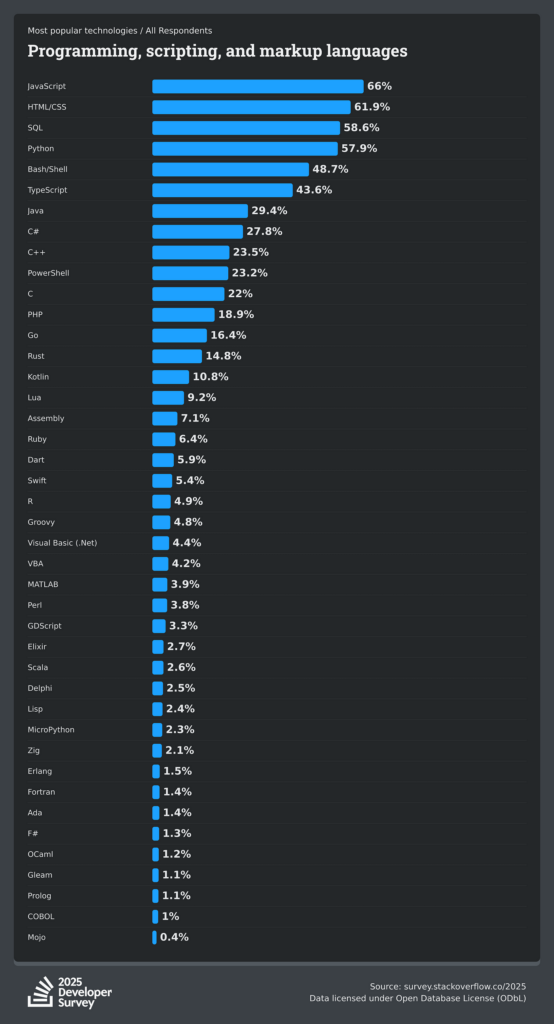
Use this guide to identify the programming languages that best align with your team’s objectives, invest in the right skills, and position your organization for continued growth in 2026 and beyond.